
Engine monitoring
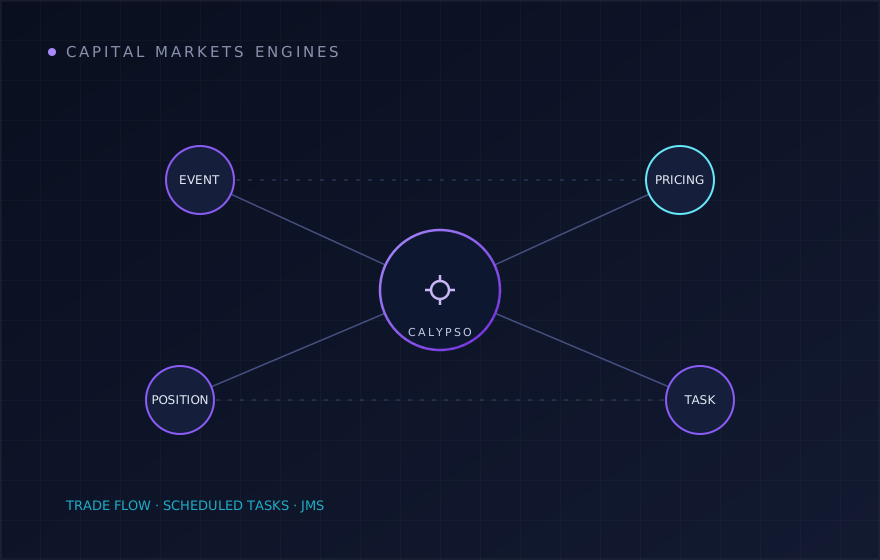
Observe the Event, Pricing, Position, and Scheduled Task engines for health, backlog, and processing delays.
Event, Pricing, Position, and Task engines monitored
EOD tasks and report generation tracked to completion
Trade flow and downstream messaging kept flowing
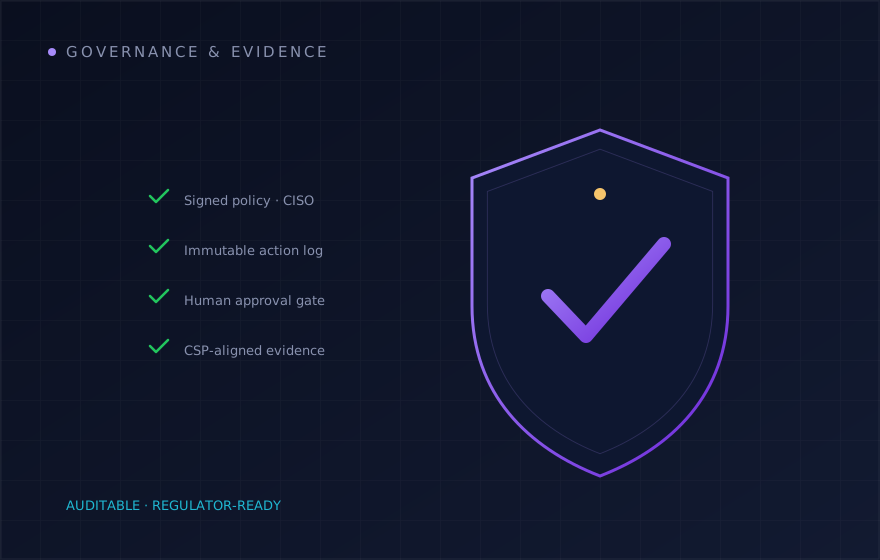
Engines restarted and queues cleared within policy
Observe the Event, Pricing, Position, and Scheduled Task engines for health, backlog, and processing delays.
Track EOD tasks, report generation, and scheduled processing, restarting failed tasks through approved runbooks.
Monitor trade flow, downstream messaging, and interface exceptions across the trade lifecycle.
Watch the Oracle database and JMS queues that carry Calypso events and messages.
Restart engines and clear queues within policy, escalating material actions with evidence.
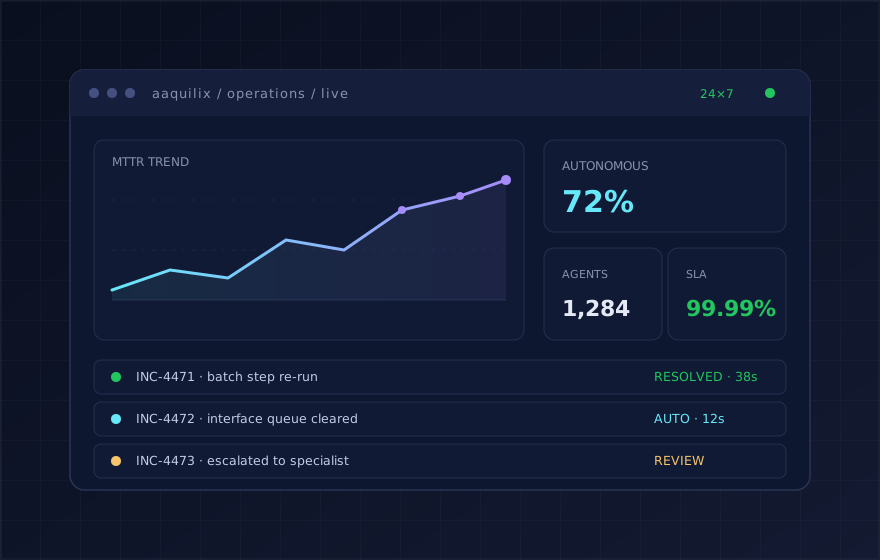
Engine backlogs, scheduled tasks, and trade-lifecycle interfaces are observed continuously — with governed restarts and queue clearing that keep trades flowing and reports on time.
Connect the agreed estate, map dependencies, and establish normal operating behaviour before automation is enabled.
Translate operating policies, maintenance windows, approvals, and escalation paths into explicit automation boundaries.
Correlate signals, recommend or execute approved actions, verify recovery, and use the evidence to improve future response.
AAQUILIX is designed to make operational authority explicit, reviewable, and reversible.
Keep trades processing by detecting engine and queue backlogs early.
Protect scheduled tasks and report generation with governed recovery.
Retain evidence for every recovery action across the trade platform.
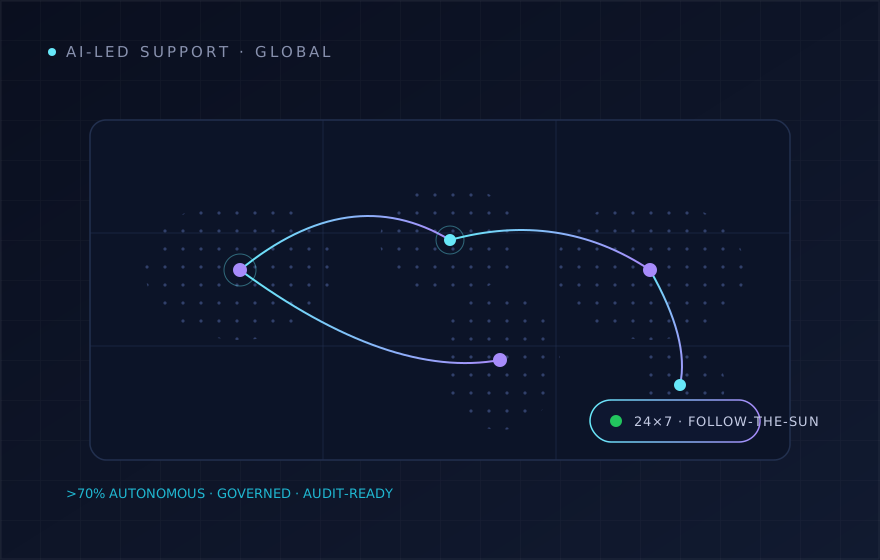
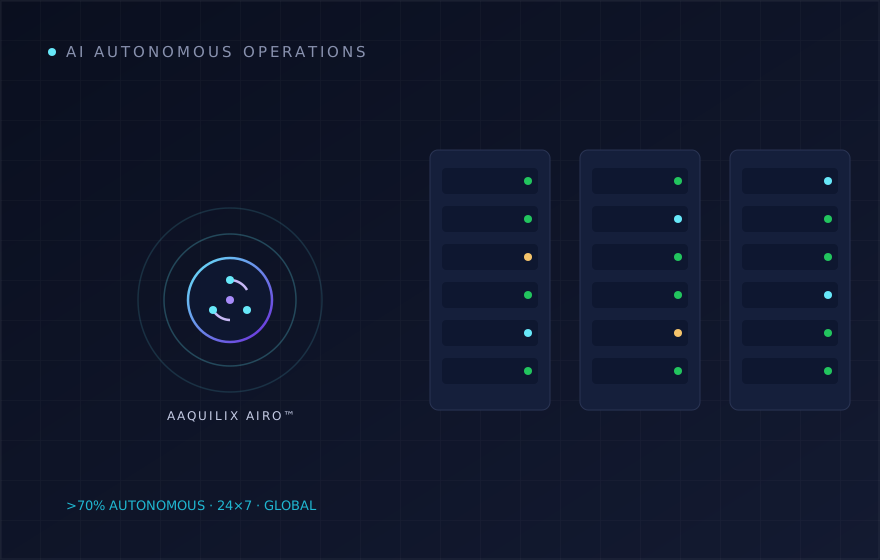
Follow-the-sun coverage from AAQUILIX AI resolves the majority of L1/L2 toil around the clock — with specialists on the exceptions and a complete, regulator-ready evidence trail for every action.
Yes. AAQUILIX is designed to connect to existing monitoring, ITSM, identity, and collaboration systems through supported APIs and controlled service accounts.
No. Teams can begin in observe-only mode, introduce approval-based actions, and expand autonomy only after policies and evidence meet their risk requirements.
Bring one priority service, workflow, or operational challenge. We’ll map a practical starting scope and the controls it requires.